Introduction
Your resume often gets judged before a recruiter ever sees it. In many companies today, the first reviewer is software, an applicant tracking system (ATS) or AI screening tool scanning resumes for keywords, relevance, and structure. That means even highly qualified candidates can be filtered out in seconds.
If your resume isn’t optimized for both AI systems and human recruiters, it may never reach the interview stage. The good news: fixing that is possible. Here’s how to build an AI-optimized resume that improves your chances of getting noticed, and getting interviews.
Best AI Resume Templates for 2026 (Free + ATS-Friendly Downloads)
What Is an AI-Optimized Resume?
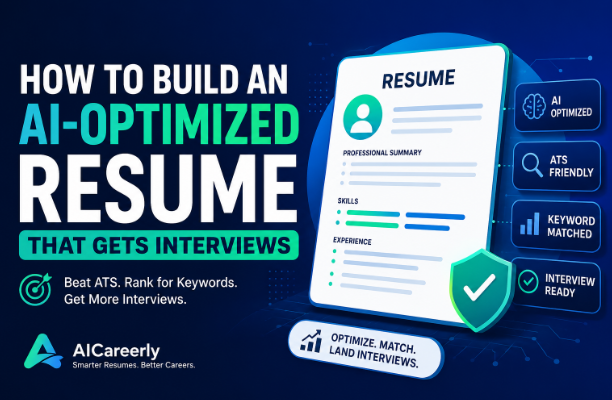
An AI-optimized resume is a resume designed to perform well in modern hiring systems while still reading naturally to recruiters.
It does two things at once:
- Helps applicant tracking systems understand your qualifications
- Makes hiring managers quickly see your value
Traditional resumes were written mainly for human readers. Today, resumes are often reviewed by software first.
AI systems scan for:
- Relevant skills
- Job titles
- Certifications
- Industry keywords
- Measurable achievements
- Formatting readability
If your resume matches the role well, it moves forward. If it doesn’t, it may be filtered out before anyone reads it. That’s why keyword strategy and resume structure matter more than ever.
Free Cover Letter Templates That Actually Get Interviews (2026 Guide)
Why Most Resumes Get Rejected Before a Recruiter Reads Them
Most resume rejection happens early. Common reasons include:
Missing Keywords
If the job description says:
“Project management,” “SQL,” and “cross-functional collaboration”
…but your resume doesn’t mention them clearly, the system may rank you lower.
Poor Formatting
Many ATS systems struggle with:
- Tables
- Multiple columns
- Graphics
- Icons
- Text boxes
- Headers with critical info inside them
If the software can’t read the resume properly, important information gets missed.
Generic Bullet Points
Weak bullet points hurt performance.
Before:
Managed social media accounts.
After:
Grew LinkedIn engagement by 48% in 6 months through targeted content strategy and audience analysis.
The second version is specific, measurable, and stronger for both AI and recruiters.
Lack of Results
Hiring teams want outcomes, not just responsibilities.
They look for impact such as:
- Revenue growth
- Efficiency improvements
- Cost savings
- Conversions
- Project outcomes
- Measurable performance
AI-Optimized CV Templates for Tech Jobs (Download + Guide)
How to Build an AI-Optimized Resume Step by Step
1. Tailor Your Resume to Every Job
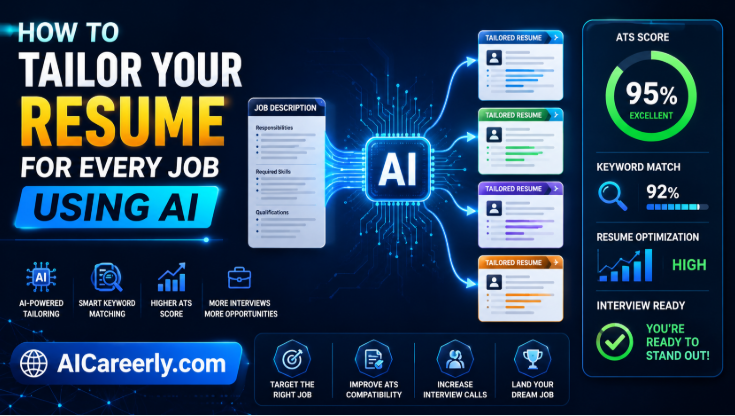
One resume for every application rarely works anymore. Start with the job description.
Highlight repeated terms like:
- Required skills
- Software
- Qualifications
- Responsibilities
- Certifications
These become your resume keywords.
2. Match Keywords Naturally
Add relevant terms throughout your resume in:
- Headline
- Professional summary
- Skills section
- Work experience
- Project descriptions
Use exact language where appropriate, but keep it natural. Avoid stuffing keywords unnaturally.
Free Cover Letter Templates That Actually Get Interviews (2026 Guide)
3. Focus on Achievements, Not Tasks
Instead of listing what you were responsible for, show what you accomplished.
A strong formula is:
Action Verb + Task + Measurable Result
Examples:
- Increased organic website traffic by 62% over 8 months through SEO strategy and content optimization
- Reduced reporting time by 12 hours per week by automating spreadsheet workflows
This makes your resume stronger and more credible.
4. Optimize Your Summary Section
Your top summary matters. Use 2–4 lines to clearly show:
- Who you are
- Your expertise
- Key skills
- Years of experience
- Measurable impact
Example:
Results-driven marketing specialist with 5+ years of experience in SEO, content strategy, and analytics. Increased inbound traffic by 70% across multiple digital campaigns and led conversion-focused growth initiatives.
5. Keep Formatting ATS-Friendly
For a strong resume for ATS, use:
- Standard section headings
- Clean fonts
- Consistent spacing
- Reverse chronological format
- PDF or Word format if requested
Avoid:
- Tables
- Text boxes
- Charts
- Icons
- Images
- Heavy design elements
Simple formatting often performs best.
Best AI Tools to Improve Your Resume
AI can speed up resume optimization significantly. Useful tools include:
1. ChatGPT
Helpful for:
- Rewriting bullet points
- Improving wording
- Tailoring resumes to job descriptions
- Summarizing achievements more clearly
2. ATS Resume Scanners
These compare your resume against a job description and highlight missing keywords.
Useful for keyword alignment.
3. Keyword Matching Tools
Great for identifying important resume keywords from job postings.
4. ATS Checkers
Useful for testing whether formatting is readable by hiring software.
5. AI Resume Builder Platforms
These can help structure content quickly and create clean ATS-friendly layouts. Use them as support, not as a replacement for your own judgment.
AI-Optimized CV Templates for Tech Jobs (Download + Guide)
Common Mistakes to Avoid
Even strong candidates make these errors. Below are some mistakes that could impact your resume.
Keyword Stuffing
Repeating keywords excessively can feel unnatural and may hurt readability.
Copying Job Descriptions Word-for-Word
Customize thoughtfully. Don’t paste entire job descriptions into your resume.
Vague Language
Avoid phrases like:
- Hard worker
- Team player
- Responsible for
Use specific evidence instead.
Poor Formatting Choices
Fancy design can sometimes lower ATS readability. Simple wins.
Sending the Same Resume Everywhere
Customization matters more now than ever.
Quick Resume Checklist Before You Apply
Before hitting submit, ask yourself:
✔ Does my resume match the job description?
✔ Are important keywords included naturally?
✔ Are achievements measurable where possible?
✔ Is formatting ATS-friendly?
✔ Is my summary tailored to this role?
✔ Have I avoided graphics, tables, and text boxes?
✔ Would a recruiter understand my value in under 10 seconds?
If yes, you’re in strong shape.
Final Thoughts
Your resume is no longer just a career summary. It’s a search document, a personal marketing tool, and often your first conversation with an employer’s AI hiring system. The strongest resumes today are written for both machines and people. That means strategic keywords, clear achievements, clean formatting, and relevance to the role.
At AICareerly, we believe job seekers should understand how hiring technology works, not just guess their way through applications. An AI-optimized resume won’t replace your experience, but it can help make sure your experience gets seen. And that’s what gets interviews.
FAQ
What is an AI-optimized resume?
An AI-optimized resume is a resume structured to perform well in applicant tracking systems while still being easy for recruiters to read. It uses relevant keywords, strong formatting, and measurable achievements.
Can AI help improve my resume?
Yes. AI can help rewrite bullet points, identify missing keywords, tailor resumes to job descriptions, and improve clarity. It works best when combined with your own experience and review.
How do I make my resume ATS-friendly?
Use clear section headings, standard formatting, job-specific keywords, measurable achievements, and avoid tables, graphics, icons, or complicated layouts.